
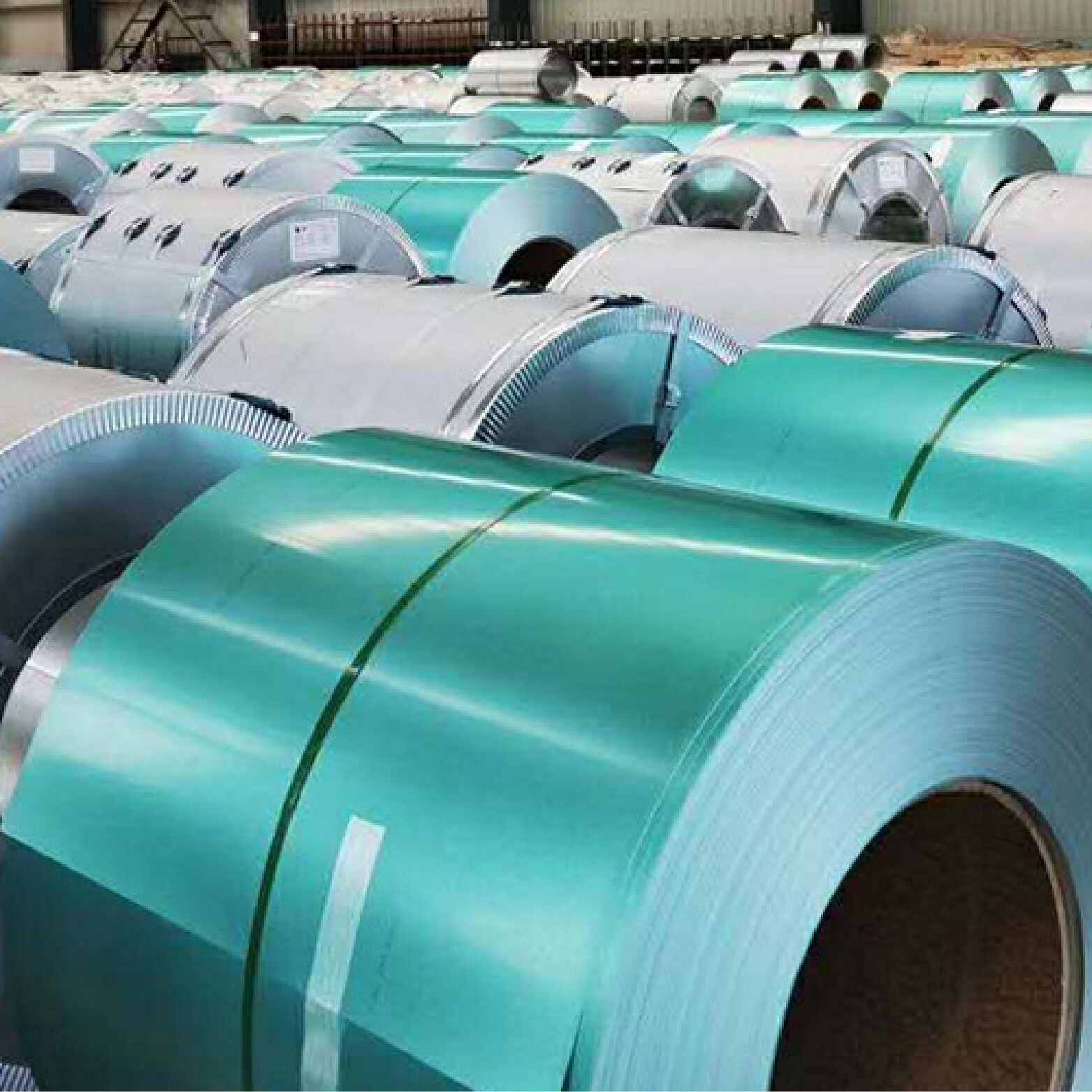
Core Characteristics of PPGI & PPGL Coils
1. Exceptional Corrosion Resistance
Corrosion resistance is one of the most prominent advantages of PPGI and PPGL coils. For PPGI coils, the zinc coating on the base steel acts as a sacrificial anode, effectively protecting the steel substrate from rust and corrosion. The additional organic topcoat further enhances this protection, forming a dual barrier against moisture, chemicals, and atmospheric pollutants.
PPGL coils take corrosion resistance to a higher level. The zinc-aluminum-silicon alloy coating on their base steel has better adhesion and oxidation resistance than pure zinc. The alloy forms a dense aluminum oxide film on the surface, which is highly resistant to corrosion—even in harsh environments such as coastal areas with high salt content or industrial zones with acidic fumes. Tests show that PPGL coils can have a service life 2-3 times longer than traditional galvanized steel in certain corrosive conditions.
2. Aesthetic Versatility and Durable Appearance
This makes PPGI and PPGL coils ideal for applications where appearance matters, such as building exteriors, home appliance casings, and decorative panels. Their smooth, flawless surface also reduces the need for additional painting or finishing, saving time and costs for downstream manufacturers.
3. Excellent Formability and Processability
Despite their protective coatings, PPGI and PPGL coils retain good formability and processability. They can be easily cut, bent, rolled, punched, and welded into various shapes—from simple flat panels to complex curved components—without damaging the coating or compromising structural integrity. This flexibility allows manufacturers to produce customized products for different industries. For example, in the construction sector, they can be processed into roof panels, wall cladding, and gutter systems; in the home appliance industry, they can be shaped into refrigerator doors, washing machine casings, and air conditioner panels.
4. Lightweight and Cost-Effective
Compared to other corrosion-resistant materials like stainless steel or aluminum, PPGI and PPGL coils offer a more cost-effective solution. Their base steel provides high strength, while the thin yet durable coatings add minimal weight. This lightweight property reduces transportation and installation costs—especially in large-scale construction projects where heavy materials would increase labor and equipment expenses. Additionally, their long service life and low maintenance requirements (no frequent repainting or replacement) further lower the total cost of ownership over time.
Wide-Ranging Applications Across Industries
Leveraging their outstanding characteristics, PPGI and PPGL coils have become essential materials in multiple sectors, driving efficiency and innovation.
1.Construction Industry: The Backbone of Modern Building Materials
In construction, PPGI and PPGL coils are widely used for roofing and wall cladding. Their corrosion resistance and weather resistance make them suitable for both residential and commercial buildings—from residential villas and high-rise apartments to shopping malls, factories, and warehouses. For example, PPGL coils are often chosen for roof panels in coastal cities due to their superior saltwater corrosion resistance, while PPGI coils are popular for interior wall cladding in industrial workshops for their cost-effectiveness and easy maintenance.
2. Home Appliance Industry: Enhancing Aesthetics and Durability
The home appliance industry relies heavily on PPGI and PPGL coils for casings and panels. Products like refrigerators, washing machines, air conditioners, microwave ovens, and water heaters use these coils for their outer shells—benefiting from their aesthetic appeal, corrosion resistance, and easy cleaning. For instance, PVDF-coated PPGL coils are used in high-end refrigerators because they resist oil, stains, and temperature changes, keeping the appliance looking new for years.
3. Transportation Industry: Lightweight and Protective Solutions
In the transportation sector, PPGI and PPGL coils are used to produce components for commercial vehicles (such as truck bodies, trailer panels, and bus interiors) and railway equipment (like train compartment side panels). Their lightweight property helps reduce vehicle weight, improving fuel efficiency, while their corrosion resistance ensures durability in outdoor and high-humidity environments.
4. Electrical and Furniture Industries: Functional and Decorative Applications
In the electrical industry, PPGI coils are used to make electrical cabinet casings and switchboard panels. Their non-conductive coatings and corrosion resistance protect internal electrical components from dust, moisture, and external damage. In the furniture industry, they are processed into metal furniture parts (such as table frames, cabinet doors, and shelf panels)—offering a modern, sleek look while being durable and easy to clean.
Future Outlook: Innovations Driving Wider Adoption
As industries continue to pursue sustainability, efficiency, and high performance, PPGI and PPGL coils are undergoing continuous innovation. Manufacturers are developing eco-friendly coatings (with low volatile organic compounds, VOCs) to meet environmental regulations, as well as high-strength base steels to further enhance the load-bearing capacity of the coils. Additionally, new coating technologies—such as self-cleaning coatings and thermal-insulating coatings—are being integrated into PPGI and PPGL products, expanding their applications into emerging fields like green buildings and renewable energy (e.g., solar panel backsheets).