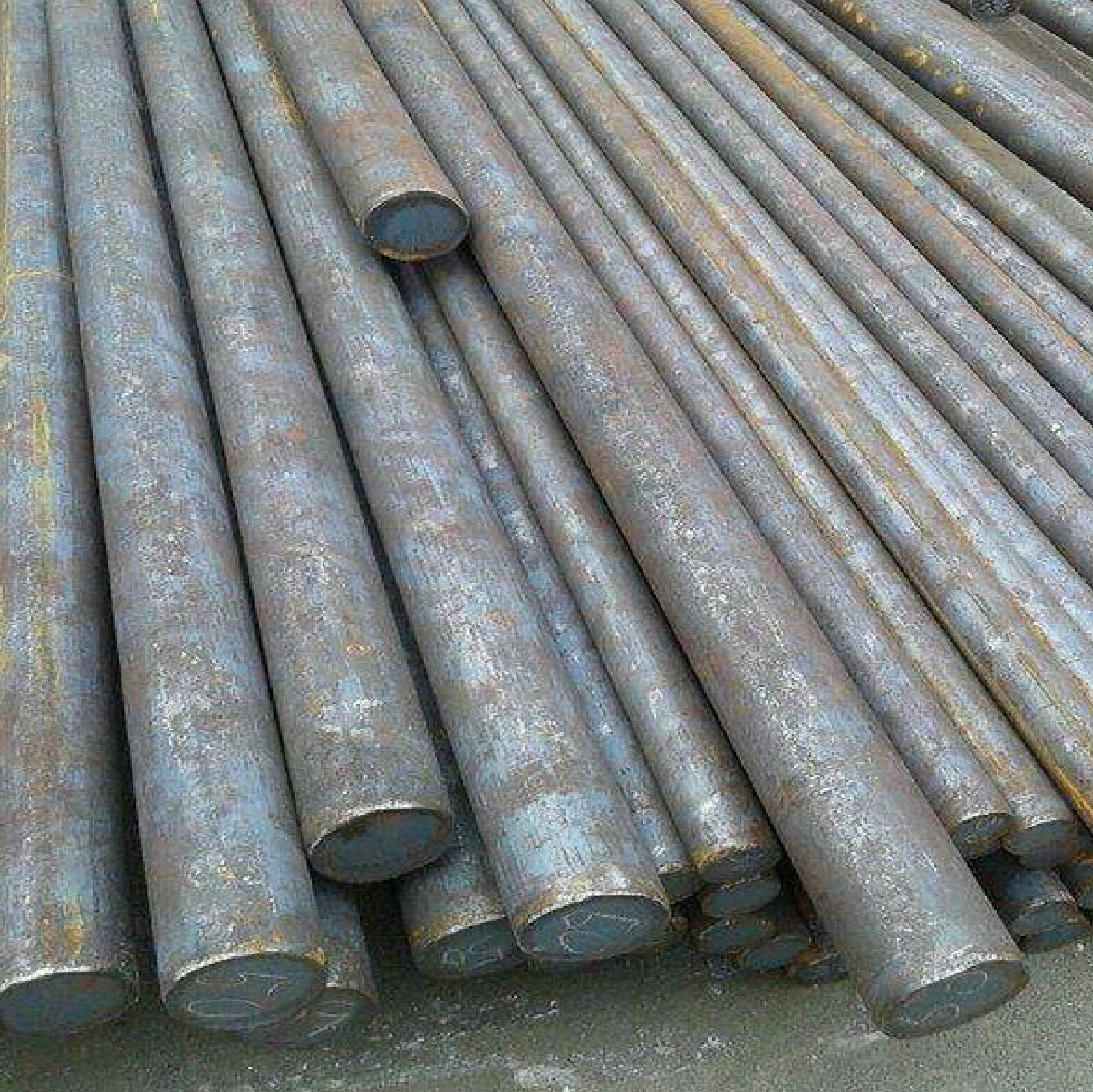
In the vast landscape of metal materials, steel bars stand out as a versatile and indispensable component, playing a crucial role in numerous industrial and construction sectors. A steel bar is a long, solid metal product with a uniform cross-section, typically round, square, hexagonal, or rectangular in shape. Its dimensions can vary significantly, ranging from small diameters of a few millimeters to large sizes exceeding 100 millimeters, catering to diverse application requirements.
Exceptional Characteristics of Steel Bars
Steel bars boast a array of remarkable properties that make them highly sought-after in various fields.
In terms of mechanical strength, they exhibit excellent tensile strength, compressive strength, and bending resistance. This enables them to withstand heavy loads and harsh working conditions, making them ideal for structural applications where stability and durability are paramount. For instance, high-strength steel bars can endure intense pressure in large-scale construction projects without deformation.
Durability is another key feature of steel bars. Thanks to their inherent resistance to corrosion (especially when treated with anti-corrosion coatings like galvanization) and wear, they can maintain their performance over an extended period, even in challenging environments such as marine or industrial settings. This longevity reduces the need for frequent replacements, lowering maintenance costs for users.
From a processing perspective, steel bars offer great flexibility. They can be easily cut, drilled, welded, and machined into various shapes and sizes to meet specific design needs. This adaptability allows manufacturers to produce customized components for different industries, enhancing the efficiency and functionality of end products.
Additionally, steel bars adhere to strict international quality standards. During the production process, advanced testing technologies such as ultrasonic testing and tensile testing are employed to ensure that each batch of steel bars meets the required mechanical properties and dimensional accuracy, guaranteeing their reliability in practical applications.
Wide-Ranging Applications Across Industries
Leveraging their excellent characteristics, steel bars find extensive use in a multitude of industries.
In the construction industry, steel bars are the backbone of reinforced concrete structures. They are embedded in concrete to enhance its tensile strength, preventing cracking and ensuring the stability of buildings, bridges, highways, and dams. For example, in high-rise buildings, steel bars are used in columns, beams, and slabs to withstand the weight of the structure and external forces like wind and earthquakes.
The mechanical manufacturing industry also relies heavily on steel bars. They serve as raw materials for producing a wide range of mechanical parts, such as gears, shafts, bolts, and nuts. The high strength and wear resistance of steel bars ensure that these parts can operate smoothly under high loads and prolonged use, improving the performance and lifespan of machinery.
In the automotive industry, steel bars are used in the manufacturing of car frames, suspension systems, and engine components. Their lightweight yet strong properties contribute to reducing the overall weight of vehicles while ensuring passenger safety. Moreover, the good weldability of steel bars facilitates the assembly of automotive parts, increasing production efficiency.
Furthermore, steel bars play a vital role in the energy sector. They are used in the construction of power transmission towers, oil and gas pipelines, and wind turbine foundations. Their ability to withstand extreme weather conditions and corrosive environments makes them suitable for these critical energy infrastructure projects.
With the continuous advancement of material science and manufacturing technologies, the performance of steel bars is constantly being improved. New types of steel bars, such as high-performance alloy steel bars and corrosion-resistant stainless steel bars, are being developed to meet the evolving needs of emerging industries like renewable energy and aerospace. It is expected that steel bars will continue to play an irreplaceable role in driving global industrial development and infrastructure construction in the future.