
Simpler Ways to Distinguish Between Stainless Steel Plates and Carbon Steel Plates
Time : Aug 22, 2025
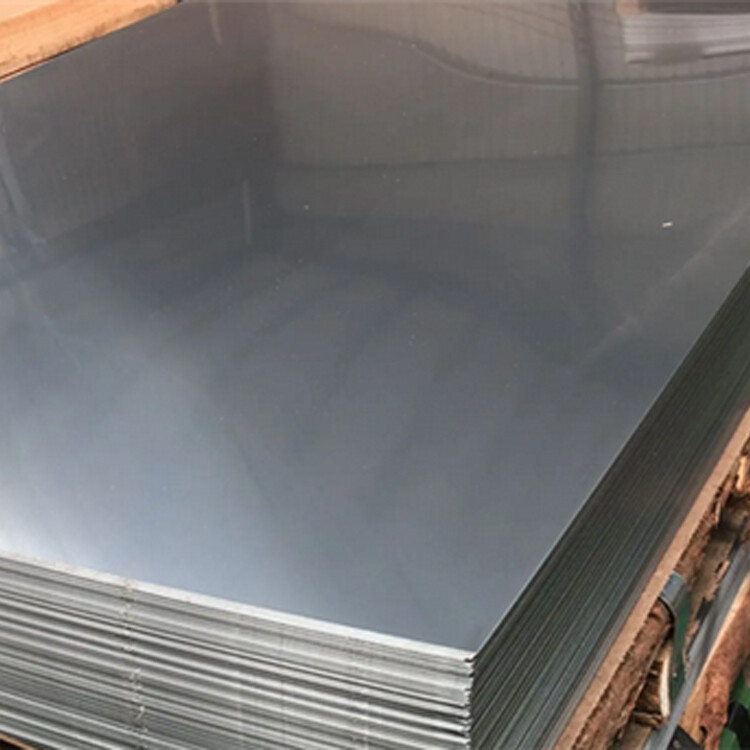
While understanding material composition and performance is essential for formal steel plate selection, in daily scenarios such as on-site inspections, procurement spot checks, or quick project evaluations, we need simpler, equipment-free methods to distinguish between stainless steel plates and carbon steel plates. These methods rely on intuitive sensory observations and basic physical/chemical reactions, allowing even non-professional personnel to make preliminary judgments efficiently.
1. Visual Inspection: Observe Surface Characteristics
The most direct way to start is with the naked eye—stainless steel plates and carbon steel plates have distinct surface features due to differences in corrosion resistance and processing.
- Stainless Steel Plates:
- Their surface is typically smooth, bright, and has a metallic luster (either mirror-like for polished grades or a uniform matte finish for brushed grades). Even if stored for a long time or exposed to mild moisture, there will be no obvious rust spots—only occasional slight water stains that can be wiped off easily.
- For industrial-grade stainless steel plates (e.g., 304, 316 used in machinery), the edge cutting area may have a slight grayish-white oxidation layer, but it will not turn reddish-brown (a sign of rust) over time.
- Carbon Steel Plates:
- Unprocessed or uncoated carbon steel plates have a dull, gray surface with no obvious luster. If exposed to air for more than a few days, tiny reddish-brown rust spots will appear (especially in humid environments), and these spots will spread quickly if not cleaned.
- Even if carbon steel plates are painted or galvanized, scratches on the surface (e.g., from transportation or installation) will reveal the underlying metal—and within hours, rust will form at the scratch site, which is a key difference from stainless steel (scratch marks on stainless steel rarely rust).
Tip: For painted steel plates, use a utility knife to gently scratch a small, inconspicuous area. If the exposed metal turns rusty red within 1-2 days, it is likely carbon steel; if it remains silver or gray, it may be stainless steel.
2. Magnetic Test: Use a Common Magnet
Magnetism is a widely used quick-distinguishing method, as most stainless steel plates and carbon steel plates have different magnetic responses (note: this method has limitations for specific stainless steel grades, but it works for over 80% of common types).
- Carbon Steel Plates:
- They are strongly magnetic. A regular household magnet (e.g., a refrigerator magnet or small hand-held magnet) will firmly adhere to the surface, and it is difficult to pull off. Even thin low-carbon steel plates (thickness <1mm) will show obvious magnetic attraction.
- Stainless Steel Plates:
- Most common grades have weak or no magnetism. For example:
- Austenitic stainless steel (304, 316, the most widely used type) is non-magnetic—a magnet will either not stick at all or only cling lightly and slide off easily when the plate is tilted.
- Ferritic stainless steel (430, often used in decorative items) is weakly magnetic, but the attraction force is still much weaker than that of carbon steel—you can feel the magnet "loosely" attached, not "firmly stuck".
- Martensitic stainless steel (e.g., 410, used for knives) is magnetic, but this grade is rarely used in large plates (mostly for small parts), so it has little impact on daily distinction.
Caution:Do not rely solely on magnetism to rule out stainless steel. If a steel plate is magnetic, it may be ferritic stainless steel or carbon steel—but if it is non-magnetic, it is almost certainly not carbon steel (carbon steel is never non-magnetic).
3. Water Drop Test: Check Corrosion Resistance in Minutes
This method leverages the poor corrosion resistance of carbon steel to water, requiring only a small amount of tap water and a few minutes of waiting.
- Procedure:
- Clean a small area (about 5cm × 5cm) on the steel plate surface with a dry cloth to remove dust and oil.
- Drop 2-3 drops of tap water on the cleaned area, and cover it with a small piece of plastic wrap (to keep the area moist and accelerate the reaction).
- Wait 15-30 minutes, then remove the plastic wrap and wipe off the water.
- Results:
- Carbon Steel Plates: The water-drop area will show obvious reddish-brown rust stains, even if the plate is new. The longer the waiting time, the more severe the rust.
- Stainless Steel Plates: The water-drop area will remain clean and bright, with no rust or discoloration—only a slight water mark that can be wiped away completely.
Advantage: This method is more reliable than visual inspection, as it directly tests the core difference (corrosion resistance) between the two materials, and it works even for coated or polished steel plates.
4. Weight Comparison: Feel Density Differences
Stainless steel has a higher density than carbon steel (stainless steel density: ~7.93 g/cm³; carbon steel density: ~7.85 g/cm³). Although the difference is small, it can be felt when comparing plates of the same size and thickness.
- Method: Take two steel plates of the same dimensions (e.g., 30cm × 30cm × 2mm). Hold one in each hand and compare their weight.
- Result: The stainless steel plate will feel slightly heavier than the carbon steel plate. For thicker plates (e.g., >5mm), the weight difference is more obvious—you can even tell the difference by lifting them with one hand.
Note: This method is only suitable for plates of the same size and thickness. If the dimensions differ, it is not accurate (e.g., a thick carbon steel plate may be heavier than a thin stainless steel plate).
5. Sound Test: Tap and Listen to the Tone
When tapped with a hard object (e.g., a wrench, hammer, or metal rod), stainless steel plates and carbon steel plates produce different sounds due to differences in elasticity and density.
- Procedure: Lightly tap the center of the steel plate with a metal tool (avoid tapping the edges, as they may produce distorted sounds). Listen carefully to the tone and echo.
- Results:
- Stainless Steel Plates: Produce a clear, crisp, and long-lasting echo—similar to the sound of tapping a glass. The tone is high-pitched, and the echo fades slowly.
- Carbon Steel Plates: Produce a dull, heavy, and short echo—similar to the sound of tapping a stone. The tone is low-pitched, and the echo disappears quickly.
Tip: For better results, tap the same position on each plate multiple times and compare the sounds. This method is especially useful for distinguishing between large, thick steel plates (e.g., used in construction or machinery) where weight or magnetism tests may be inconvenient.
When to Combine Multiple Methods for Accuracy
While these simple methods are convenient, they each have limitations. For example:
- Magnetism cannot distinguish ferritic stainless steel from carbon steel.
- The sound test may be affected by the plate’s thickness or shape.
In critical scenarios (e.g., procurement of food-grade stainless steel or high-pressure carbon steel components), it is best to combine 2-3 methods:
- First, use the magnet test to rule out non-magnetic stainless steel (if non-magnetic, it is not carbon steel).
- Then, use the water drop test to check corrosion resistance (to confirm stainless steel).
- Finally, verify with visual inspection (check surface luster and rust) to ensure accuracy.
These simple methods do not require professional equipment or technical expertise, making them ideal for on-site quick checks, warehouse inventory verification, or preliminary material screening. By mastering these techniques, you can avoid the risk of using the wrong steel plate in daily work and lay a solid foundation for formal performance testing and selection.
Next page:Already the last
LINGGANG STEEL (TIANJIN) CO.,LTD